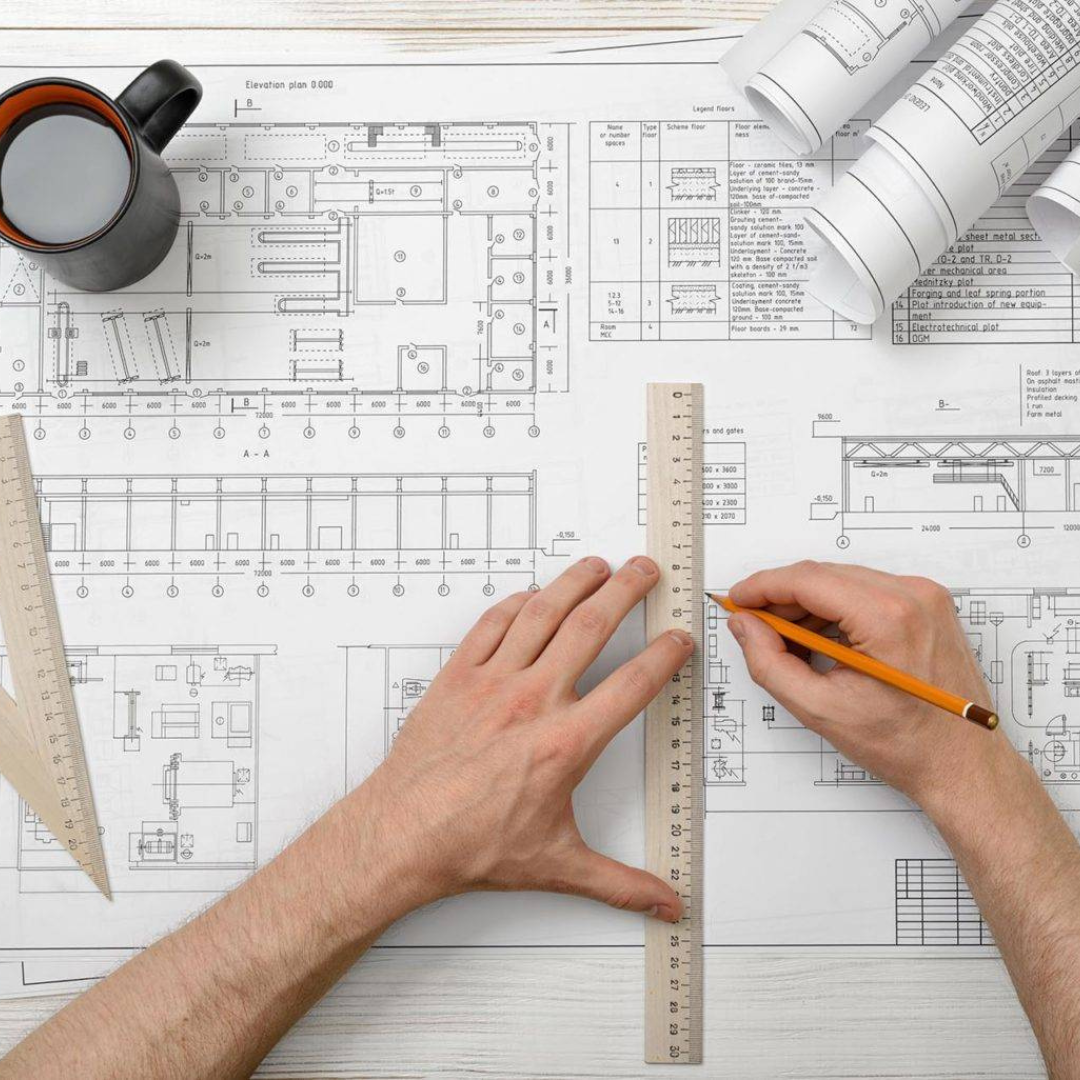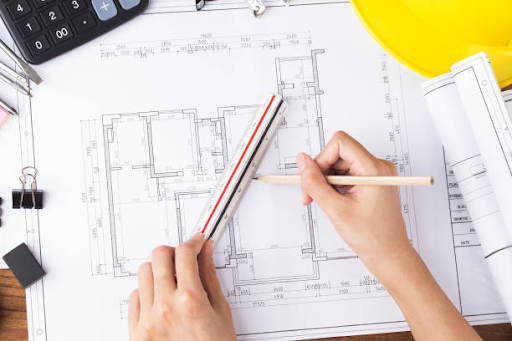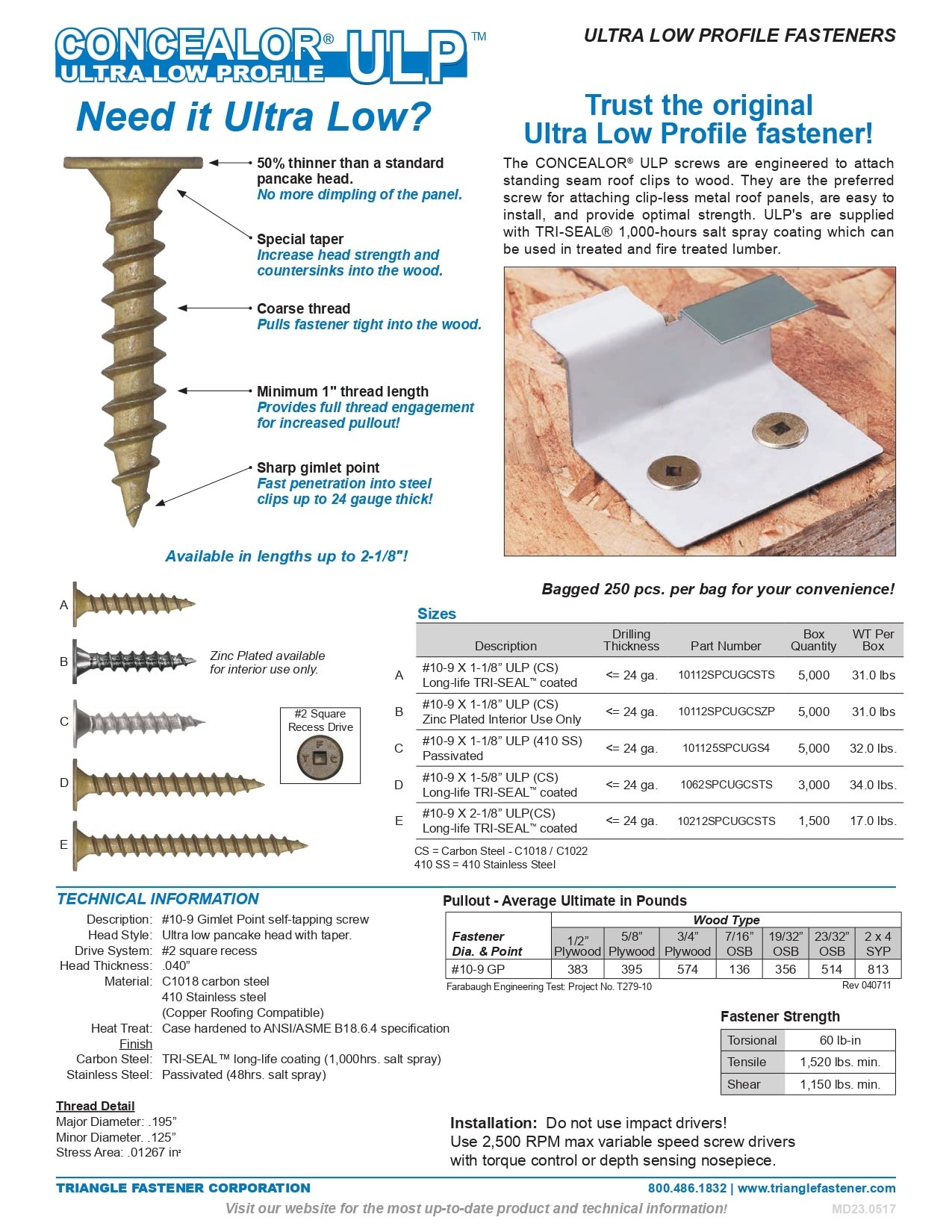
Construction is finally catching up to the digital age, and one of the biggest shifts we’ve seen is how construction project submittals are being handled. What used to be a mess of binders, PDFs, and courier runs is now streamlined through cloud platforms, digital workflows, and real-time collaboration. It’s faster, cleaner, and, most importantly, more accurate.
At Drafting Consultants, we’ve leaned into this shift because we’ve seen how much time and confusion it saves on both ends, ours and our clients’. Whether you’re dealing with structural drawings, architectural sets, or shop drawings, the way those documents move through review cycles matters. We’ve adapted our process to match how the industry is working now: digital-first, detail-focused, and built to scale.
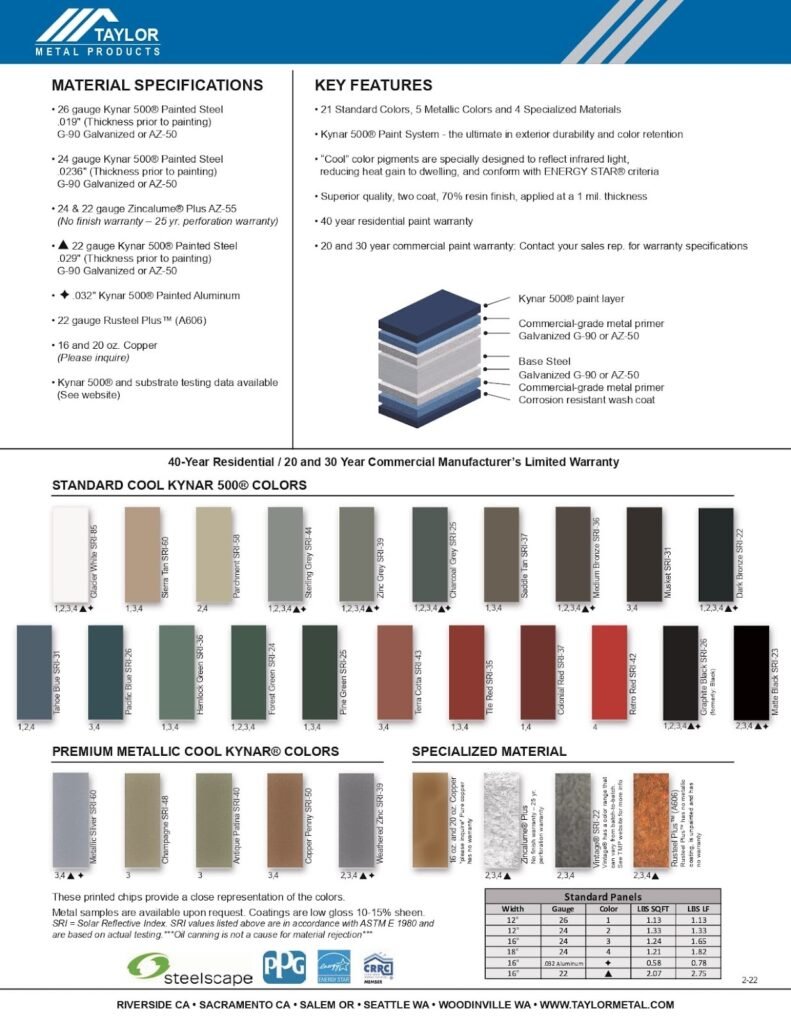
Submittals aren't paperwork; they're documentation. Documentation that what is being constructed is what was intended, that it complies with code, and performs as anticipated. And when they're inaccurate, late, or omitting details, the entire project can come to a standstill.
Before, when all things were paper, handling submittals was about chasing around physical documents, keeping track of outdated revisions, and manually maintaining records. The opportunity for mistakes was high, and the turnaround was slow. With digital tools now in the picture, expectations have changed: tighter turnaround time, better communication, and a lot less latitude for error.
We handle each submittal, regardless of whether it's a structural detail, a material spec, or a 3D model, as an essential checkpoint. It informs the way we approach coordination, format, and delivery on every project.
The greatest advantage of cloud submittals is that we all view the same one at the same time. No more assumptions about which file is up to date or who signed off on what. We upload to shared sites, providing GCs, architects, and engineers instant access to our drawings and documents.
That type of access benefits everyone to identify problems sooner and cuts down on back-and-forth emails. When we're providing structural drafting services, it's crucial that architects, structural engineers, and MEP teams all review the most current information before they go on the site.
With technology, all changes are tracked, all comments are stamped with the time, and no revision is ever lost. That's a big deal if you're working on a tight timeline and require a transparent history of what was changed and why. We employ submittal tracking systems that freeze approvals, so everyone is literally on the same page.
Cloud submittals enable concurrent reviews in which different stakeholders can comment simultaneously. Rather than hold up for a drawing to travel from desk to desk, we submit it once and receive summarized input soon after. Such a speed can cut days or even weeks from a construction schedule.
Let's get real: structural work is risky. When a connection is incorrect or a load path is misaligned, it can make life difficult in the future. That's why structural drafting services require extra precision and coordination, and why cloud-based submittals are such a great match.
We deliver comprehensive structural sets with clear formatting and organization for easy digital review. This includes:
These documents get referenced by more than one discipline, so having them stored in the cloud, associated with models, specs, and notes, cuts down on confusion and keeps it all tightly coordinated.
Submittals in most projects no longer refer to PDFs alone. They encompass BIM files, 3D views, clash reports, and so forth. We operate on both CAD and BIM platforms, which allows us to create 2D drawings from precise models and submit them alongside each other when required.
This integrated process allows clients to catch problems before they're constructed, particularly in intricate structural details. A steel beam that conflicts with ductwork? A footing that collides with plumbing? We can mark it during drafting before it appears in the field.
Not all jobs require the same amount of detail, and not all reviewers would prefer the same type of file. That's why we're project type, scope, and tool-specific with our submittals. For small residential projects, we may send neat, layered DWGs and labeled PDFs. For commercial or public works, we may send submittal logs, spec sheets, and formatted sets of drawings based on contractor or agency requirements.
We've collaborated with teams on Procore, PlanGrid, BIM 360, Bluebeam Studio, you name it. If your project of choice has a favorite platform, we'll adapt to it. And if you're still sending PDFs via email, we'll make it plain and straightforward.
Our version control procedure guarantees every drawing update is recorded and stored. No more working off stale drawings or speculating what got changed.
We create comments and approvals from various reviewers in a single source of truth. That prevents conflicting messages and allows us to rework drawings with complete clarity.
We construct submittals while we design, rather than as an afterthought. That results in documentation being ready sooner, with fewer surprises upon review.
The shift to cloud-based construction project submittals is only going to grow. We’re already seeing clients ask for:
We’re adapting to those tools because they support our mission: clean, accurate drafting that reduces friction and builds trust.
If you're fed up with tracking down revisions, dealing with cumbersome paper trails, or correcting field errors due to ambiguous documentation, we're here to assist you. Our structural drafting services are designed to facilitate contemporary submittal processes quickly, precisely, and in a way that meets your working style.
Drafting Consultants organize and present everything your team requires: plans, specs, connection information, schedules, clean and easy to read. Old-school or all-digital, your platform is covered, and your submittals will get the attention they deserve.
Do we submit directly to platforms such as Procore or BIM 360?
Yes. We're accustomed to operating within multiple project platforms. We can upload drawings, monitor versions, and categorize files to suit your project's workflow.
What kinds of drawings do we provide in submittals?
We provide architectural, structural, and shop drawings based on the scope. This usually entails framing plans, rebar layout, anchor details, or complete structural sets.
How do we maintain accuracy through revisions?
Every modification is reviewed, documented, and tracked. We cross-check with previous versions, address reviewer feedback, and confirm all changes before resubmitting.
Can we accept both 2D and 3D files in our submittals?
Yes. We offer both, if necessary, 2D for construction or permitting, and 3D models where the project requires BIM coordination or visual inspections on a detailed level.